


Developing JV Deal Options
Most JV deals never close, and tunnel vision is often to blame. Testing alternative deal structures before serious negotiations begin can help reach a durable “yes.”
Joshua Kwicinski is a Managing Director based in Washington, DC. He has more than a decade of experience in advising on all aspects of the partnership lifecycle, including deal strategy, transaction structuring, ongoing governance, and restructuring/exit. He has advised senior executives and dealmakers at both a corporate and individual JV level across a range of industries, including oil and gas, metals and mining, aerospace and defense, financial services, biotechnology, and others.
View Full Profile
Most JV deals never close, and tunnel vision is often to blame. Testing alternative deal structures before serious negotiations begin can help reach a durable “yes.”

One JV CEO said it best: “Aligning shareholders is not an optional part of the job. It is the job.”

Commercial conflicts have long shaped joint ventures—but they rarely surface until they start to slow decisions, strain alignment, or erode value. This article unpacks what dealmakers can do before that happens.

The Case for Lead Directors examines why formal lead director roles are becoming essential to effective joint venture governance, showing how strong shareholder alignment and disciplined oversight are increasingly linked to improved JV performance and risk management.

Joint Venture Index®: H1 2024 in Review
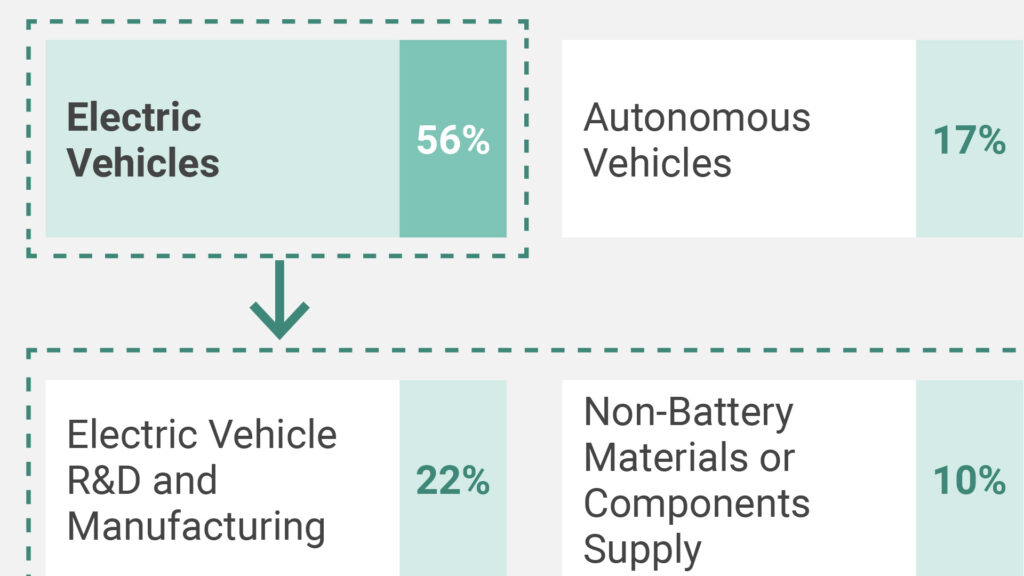
The majority of new auto partnerships revolve around electric vehicles.

Joint ventures and partnerships are driving the auto industry’s transition to electric and autonomous vehicles and materially contributing to the market valuation of most industry players.


Businesses are increasingly partnering to meet their strategic objectives — but neglecting governance puts JVs and their shareholders at risk.


Companies are under intense pressure to improve their environmental, social, and governance (ESG) performance.